Categories
Blog Family Fun Homeowner Tips Lifestyle Outdoor Living

March Into Gardening: Kid-Friendly Ways to Start a Spring Garden

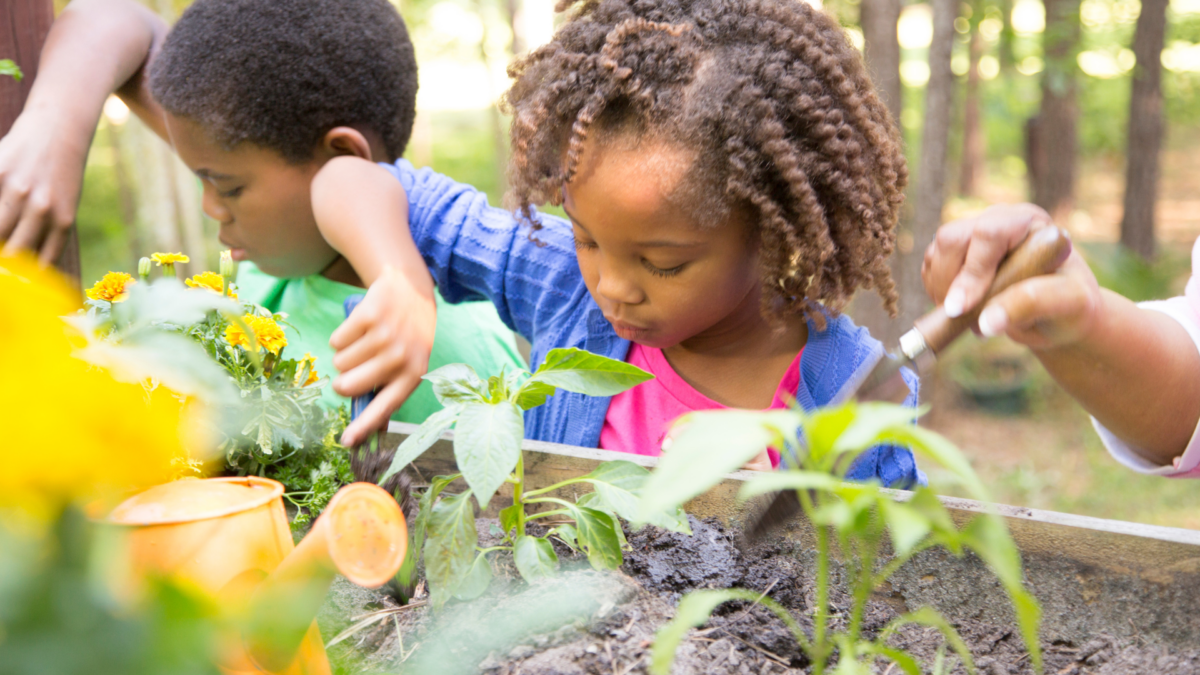
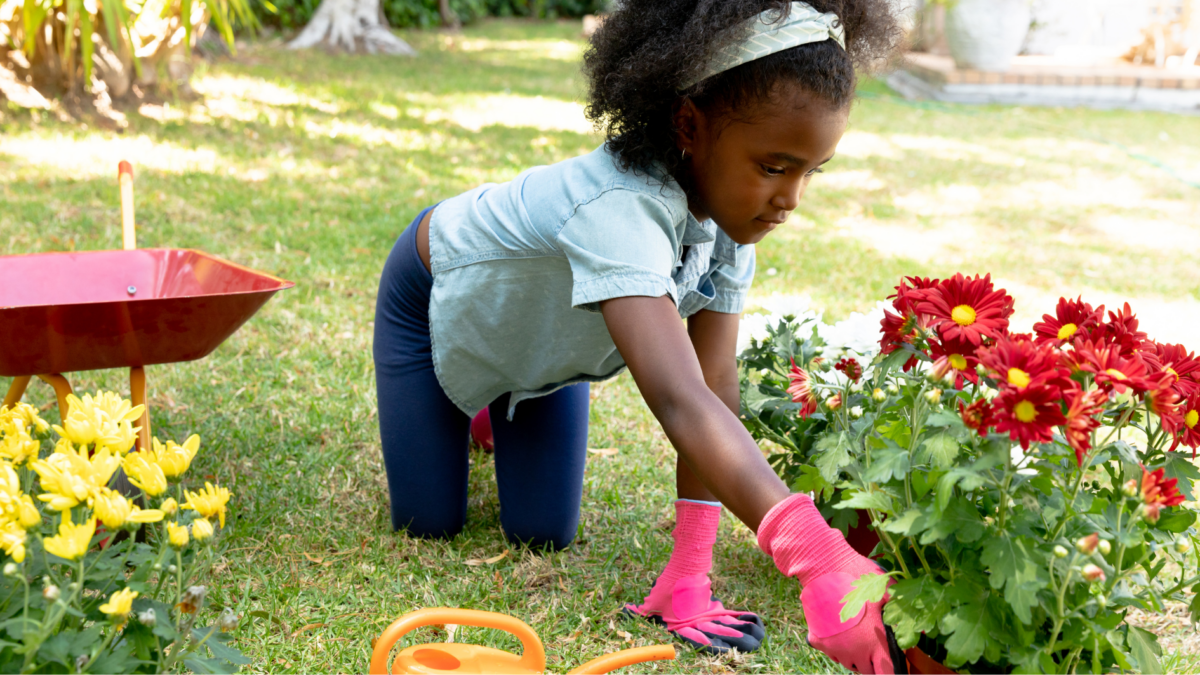
Spring is an exciting time of year in Kyle, Texas. As the weather begins to warm and plants start to bloom, it’s the perfect time to step outside and start a garden. For families, gardening is more than just planting flowers or vegetables. It is a chance to spend time together, learn something new, and watch the results grow day by day. At Crosswinds, many homes feature spacious backyards, making it easy and enjoyable to start a small family garden.

A Great Season to Start Growing

March is an ideal time to begin gardening in Central Texas. The soil begins to warm, and plants have plenty of sunlight to help them thrive. Starting a garden during this season allows kids and parents to enjoy the full process of planting, watering, and watching new life emerge over the coming weeks.

One of the best parts of beginning a family garden is that it doesn’t have to be complicated. Even a small patch of soil, a raised garden bed, or a few containers on the patio can create a space where kids can explore nature and take pride in what they grow.

Easy Starter Plants for Kids

When introducing children to gardening, choosing simple plants that grow quickly can help keep them engaged. Herbs are often a great place to start. Basil and mint are both hardy plants that grow well in the Texas climate and can be used later in family meals. Kids enjoy picking leaves and learning how fresh herbs can add flavor to everyday dishes.

Flowers are another fun option. Sunflowers and marigolds are colorful, easy to grow, and exciting for children because they can quickly see progress as the plants get taller and begin to bloom. Watching a sunflower stretch toward the sky can be especially rewarding for young gardeners.

Vegetables can also be simple and satisfying for beginners. Cherry tomatoes are a popular choice because they grow well in warm weather and produce small fruits that are perfect for snacking. Kids often love the idea of growing something they can harvest and eat right from the garden.

Fun Gardening Activities for the Whole Family

Part of the joy of gardening with kids comes from the creative activities that go along with it. Decorating flowerpots is a great place to begin. Children can paint pots in bright colors, add stickers, or even write their plants’ names on the sides.

Creating plant markers is another easy project. Popsicle sticks, painted rocks, or small wooden signs can help label each plant in the garden. This adds personality to the garden space and helps kids remember what they planted.

Container gardening is also a great option for beginners. Using small pots or planter boxes allows kids to take responsibility for their own plants. Each child can choose what to grow and help care for it each day.

Learning Through Gardening

Gardening offers many learning opportunities for children while still feeling like play. Caring for plants teaches responsibility as kids learn to water regularly and check on their garden each day. They begin to understand that growth takes time and patience.

Gardening also encourages curiosity about the natural world. Kids may ask questions about how plants grow, why they need sunlight, or how insects help gardens thrive. These conversations create opportunities for learning that feel natural and engaging.

Perhaps most importantly, gardening helps children spend more time outdoors. Digging in the soil, watering plants, and watching flowers bloom can spark a lifelong appreciation for nature.

Gardening at Crosswinds

Crosswinds is a wonderful place for families who enjoy outdoor living. Many homes offer spacious yards that provide plenty of room to plant flowers, grow vegetables, or create a small family garden. With warm Texas sunshine and open outdoor space, residents have the perfect environment to turn gardening into a fun and rewarding family activity.

A backyard garden can easily become a seasonal tradition. Families might plant new flowers each spring, grow vegetables during the summer, or simply spend time together outdoors tending to their plants. These small routines often become meaningful memories over time.

Start Growing Together

Starting a garden is a simple way to bring families together while teaching kids valuable lessons about nature, patience, and responsibility. Whether you plant herbs in a small container or create a full garden bed in the backyard, the experience of growing something together can be incredibly rewarding.

Don’t wait to make lasting memories! Find your ideal home at Crosswinds, where spacious yards and friendly neighbors welcome your gardening journey. Reach out to the Crosswinds team now to schedule a visit and see firsthand how this vibrant Kyle community helps families grow, play, and thrive together. Start your next adventure at Crosswinds today!

Categories
Blog Kyle Kyle Texas Outdoor Living TX

Fall Gardening Tips for Texas Yards: What to Plant in November

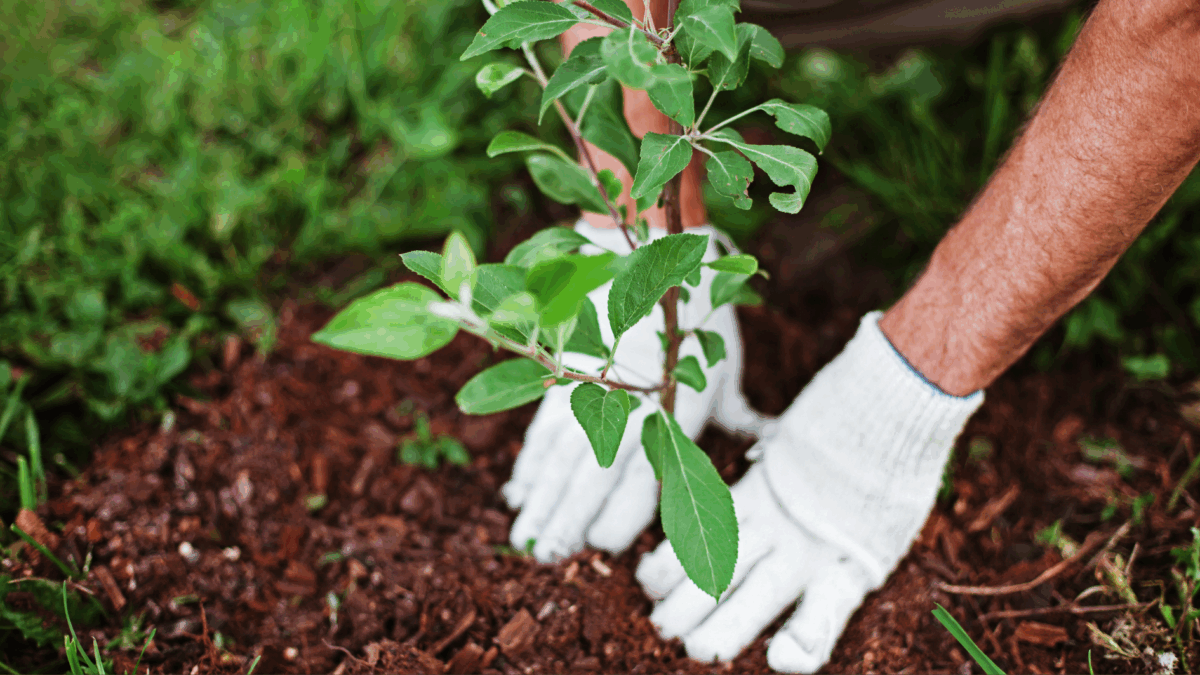
As the leaves begin to change and the holidays draw near, many people assume gardening season is coming to a close. But here in Central Texas, November still offers plenty of opportunities to keep your outdoor spaces thriving. Whether you’re refreshing your flowerbeds or starting a small vegetable patch, fall gardening can be both rewarding and beautiful. In your Crosswinds yard, the mild climate and ample sunshine give you an excellent foundation to grow cool-season vegetables, vibrant flowers, and fresh herbs.

Best Plants for November in Central Texas

Even as fall takes hold, your garden can continue to grow with the right selections. November is a great time to plant cool-season vegetables that prefer crisp air and less intense sunlight. Vegetables like carrots, kale, spinach, and lettuce do especially well in the cooler soil, and many of these crops can be harvested well into the winter months if properly cared for. These leafy greens not only bring fresh flavor to your kitchen but also help teach children about where their food comes from.

Herbs such as cilantro, parsley, and chives also thrive this time of year. They are easy to grow in both backyard gardens and containers, making them an excellent choice for families who enjoy cooking at home. For a bit of color, consider planting pansies, snapdragons, and ornamental cabbage. These flowers bring vibrant beauty to your beds and entryways, brightening up your landscape as summer blooms begin to fade.

Soil and Sun Considerations

Preparing your garden beds in November starts with paying attention to the soil. Loosen the dirt, remove any leftover debris from summer plants, and mix in compost or soil conditioner to add nutrients. Raised beds work well for vegetables and herbs, as they offer better drainage and are easier to manage with younger helpers.

Texas offers a unique advantage for fall planting due to its warm days and cooler nights. These conditions give your plants a chance to establish roots without being stressed by extreme temperatures. Most plants still require full sun to thrive, so make sure your garden beds or pots receive at least six hours of direct sunlight daily. If certain areas are shaded by fences or trees, save those spots for shade-tolerant herbs or flowers that don’t mind a little protection.

Tips for Maintenance and Care

Once your plants are in the ground, keeping them healthy through November takes just a bit of attention. Watering in the early morning is ideal to reduce evaporation and prevent mold growth overnight. Even though temperatures may feel cooler, your garden still needs consistent moisture, especially in dry spells. Mulch can help regulate soil temperature and retain water, giving your plants a stable environment to grow in.

As Texas weather can shift quickly, it’s a good idea to keep an eye on the forecast. While frosts are rare this early in the season, it helps to have a few light covers on hand just in case. Cloth sheets, garden blankets, or even large upside-down pots can provide short-term protection for tender plants. With minimal effort, your garden can stay vibrant and productive well into the winter months.

Gardening as a Family Activity

Fall gardening can be a fun way to spend time with the entire family! Kids can help plant seeds, pull weeds, or water the garden while learning about patience and responsibility. You can even make simple DIY garden markers using craft sticks and paint or recycled materials. These little touches add personality to your garden and give children a sense of ownership in the process.

Crosswinds families often take advantage of the open green spaces and large backyards to enjoy outdoor activities together. Gardening can be a part of that lifestyle, providing fresh air, physical activity, and quality time away from screens. Whether you’re growing herbs in pots or building out raised vegetable beds, it’s an experience that brings families together season after season.

Happy Planting!

November is far from the end of the gardening season in Central Texas. In fact, it might just be one of the best times to get outside, dig into the soil, and bring new life to your yard. With the right plants, a little preparation, and some help from your family, your garden can thrive in the fall and provide beauty and bounty through the months ahead.

If you’re dreaming of having your own backyard to grow and explore, now is a great time to learn more about life at Crosswinds. Visit our Contact Page to get in touch and discover how you can plant roots in a community that truly grows with you.

Categories
Blog Kyle Kyle Texas Lifestyle Outdoor Living TX

Gardening 101: Easy Plants to Plant This August

August in Kyle means long, sunny days and plenty of warmth—perfect for giving your garden a late-summer boost. Whether you have a spacious backyard in Crosswinds or a cozy patio container, August is the ideal time to add fresh color, flavor, and texture to your green space. Read on for the simplest, most heat-tolerant plants to try this month, plus tips on choosing the best spot and caring for your new growth.

Top Easy Plants to Grow

Herbs

Basil and oregano love Texas heat and reward you with fragrant leaves all season long. Plant basil in well-draining soil and pinch off flower buds to keep leaves lush. Oregano practically thrives on low-maintenance. Give it full sun and a light watering only once a week!

Veggies

Cherry tomatoes and okra are summer superstars. Cherry tomato varieties like ‘Sungold’ ripen quickly in August’s heat, while okra tolerates high temperatures and even improves in flavor after a little drought stress. Both need at least six hours of direct sun and consistent watering at the base.

Flowers & Pollinator Plants

Marigolds and zinnias not only brighten your garden but also attract bees and butterflies. Marigolds fend off pests naturally, and “State Fair” zinnias produce endless blooms with minimal fuss. Sow seeds directly in sunny beds and water deeply once or twice a week.

Succulents

Sedum and agave are perfect for rock gardens or container displays. Sedum ‘Autumn Joy’ forms low mats of thick leaves, while small agave varieties add architectural interest. Both require sandy, well-drained soil and can survive on rainfall once established.

Full-Sun Plants

Lantana and Mexican heather (cuphea) stand up to the blazing afternoon sun and reward you with waves of color. Lantana’s clusters of orange, yellow, or lavender blooms last for months, and cuphea’s purple blossoms keep hummingbirds happy. Plant these in your hottest beds, and they’ll thrive on a once-weekly deep soak.

Picking the Perfect Spot

August’s intense sun means location matters. Most heat-loving plants need at least six to eight hours of direct sunlight, so look for south- or west-facing beds. If you’re working with containers, place pots on your sunniest patio or deck, but consider moving them midday into light afternoon shade (for example, under a pergola or tree canopy) to prevent leaf scorch. Good drainage is critical: raised beds or pots with drainage holes help roots stay healthy in the heat.

Planting & Care Tips

  1. Soil Prep: Mix in aged compost or a slow-release organic fertilizer before planting to give roots a nutrient boost.
  2. Watering Routine: Water in the early morning to minimize evaporation. Aim for a deep soak about one inch per week, rather than frequent light sprinkles that encourage shallow roots.
  3. Mulch Magic: Apply a 2- to 3-inch layer of straw, shredded bark, or pine needles around your plants. Mulch keeps soil cooler, retains moisture, and suppresses weeds.
  4. Pinch & Prune: For herbs and flowers, pinch back the tips regularly to encourage bushier growth and extend the bloom period. Remove spent blooms (“deadheading”) on marigolds and zinnias to keep them flowering through fall.
  5. Monitor Pests: Heat-stressed plants can attract aphids and spider mites. Check the undersides of leaves weekly; spray with a gentle stream of water or neem oil if you spot early infestations.

Happy Planting, Crosswinds!

With just a few easy-care choices, your Crosswinds garden can stay vibrant and productive well into the fall. Whether you’re snipping fresh basil for salsa, picking a handful of cherry tomatoes for snacks, or simply enjoying a burst of zinnia blossoms by your front door, August planting is all about simple successes in the Texas sun.

Ready to dig in? If you’re thinking about planting roots, literally and figuratively, at Crosswinds, we’d love to help you find your dream home here. Visit our Contact Us page to learn more, schedule a tour, or get in touch with our friendly team today!

Categories
Blog Design Family Fun Lifestyle Tips

May Flowers: Gardening Tips for a Colorful Spring

It’s the dream of many homeowners to have a lush garden that’s bursting with bouquets of colorful flowers. While planting a flower garden can be intimidating for many beginners, it’s surprisingly easy to create a decorative display –  and keep it looking fresh all summer long. 

Here are some simple tips to bring out the bloom in a May flower garden. 

Pick a Sunny Spot

Most flowering plants like either full or at least partial sun, so you’ll want to pick a spot that gets at least 6 hours of sunlight a day. Wherever you choose, be sure to look for a pattern of where and when the sunlight hits. This will help you in choosing which plants will best thrive in the area you’ve chosen. 

You’ll also want to pay attention to how well the soil in the spot drains. If the area is soggy for days after rain, that’s a sign it drains poorly and could drown the roots of any flowers you plant.

Good Soil is Everything

Perfect soil isn’t usually found but rather created. If you have poor soil, you may want to take a test sample to a garden center so they can give you advice on any precise fertilizers you may need. Organic matter and compost though are always a safe bet though, and will greatly improve poor soil. 

If you’re going to be using pots or planter boxes for your flower garden, then be sure to buy high-quality potting soil. 

Choose Your Flowers Wisely

You may love Japanese orchids, but the climate of Central Texas does not. Thankfully, there’s an incredible array of flowers that thrive in this area. The Austin area is in Zone 8b, so you’ll need to choose flowers that have Zone 8 in their ranges.

Texas annuals (these flowers complete their life cycle in a year):

  • Sunflowers 
  • Zinnias
  • Impatiens
  • Pentas

Texas perennials (these flowers come back year after year):

  • Tulips
  • Blackfoot daisy
  • Lantana
  •  Larkspur
  •  Marigolds

Be sure to read the directions on the recommended spacing and soil depth for each flower variety.

Start Small

While you may envision a huge garden that is just waiting for a glossy magazine cover shoot, it’s best to start small. 

Aim for 5 to 8 different types of flowing plants of various heights. This will not only keep things manageable but will help you get a good idea of what you like and what you don’t like. 

Water Right

Flower gardens in this area need a lot of water, so thorough and regular watering is essential. A drip irrigation hose is ideal for flower gardens because it offers slow and steady watering that plant roots can soak up. 

If you don’t have an irrigation hose, then water your flowers towards the base in either the morning or dusk. Avoid watering them directly on the blooms or leaves, as this can create fungus or lead to the petals burning once the sun comes out. 

Planting a flower garden either in planter pots or in the yard can be one of the best ways to add natural beauty to your home. If you’re looking for the perfect home and would like to learn more about the Crosswinds community, contact us today.